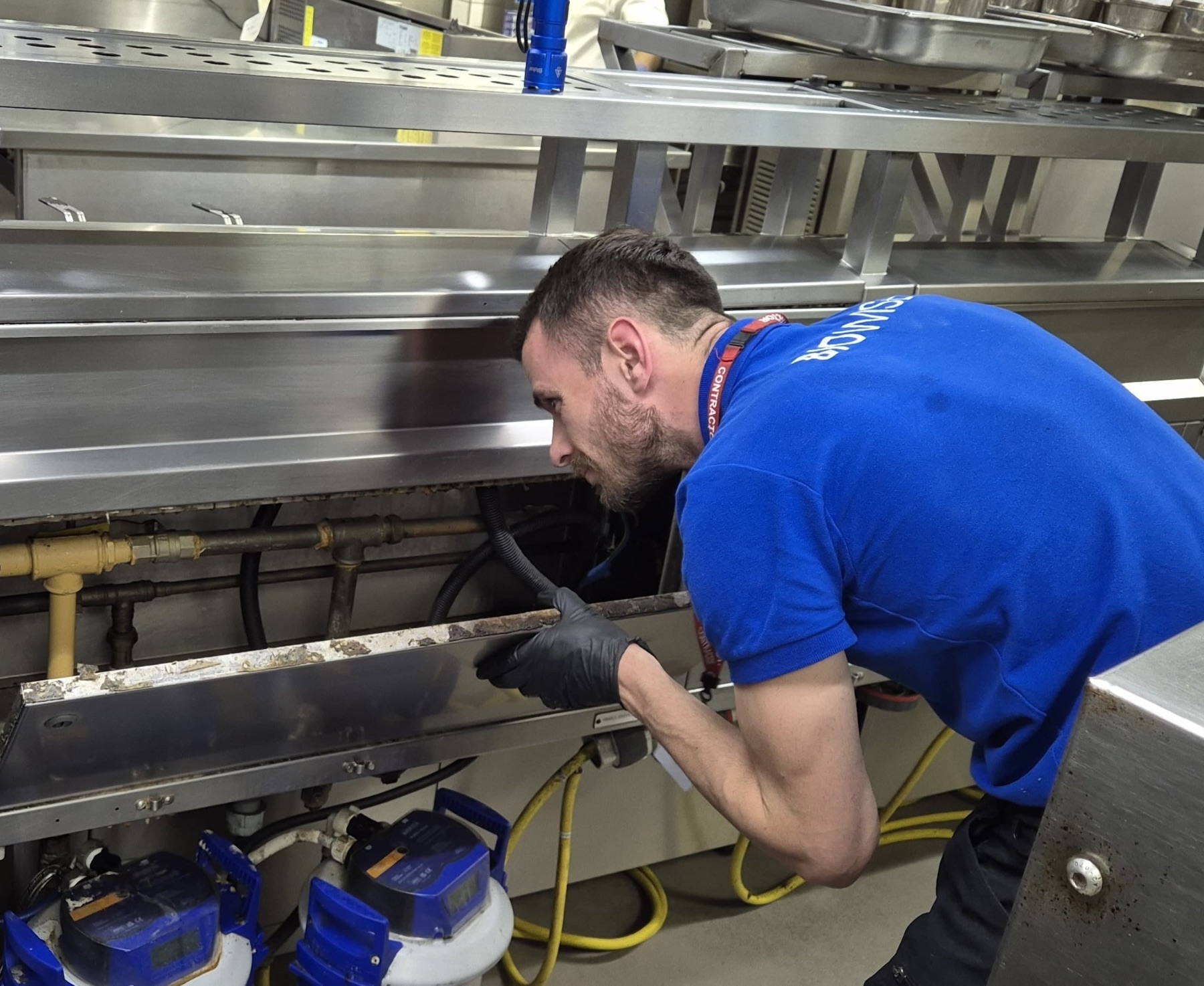
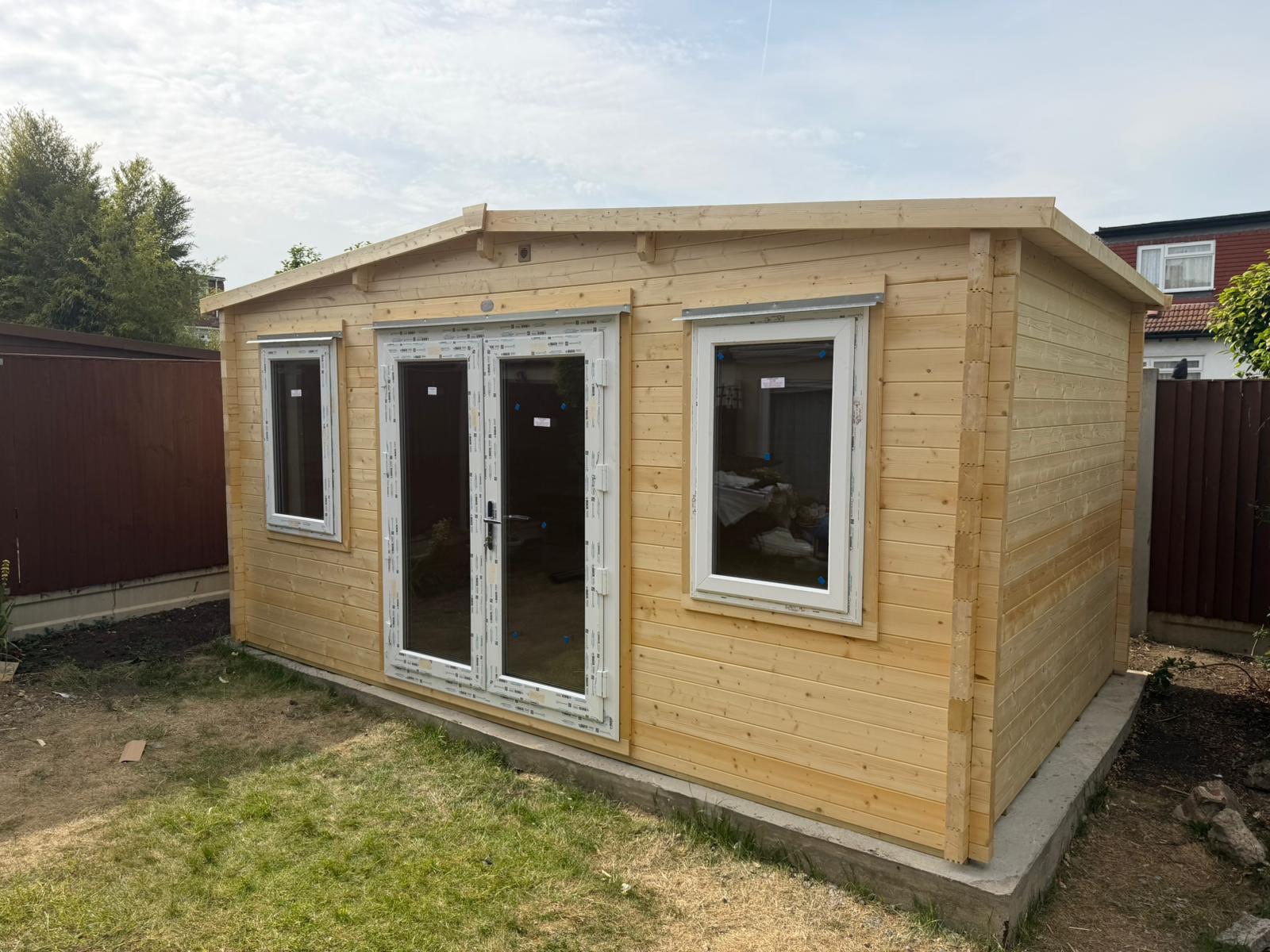
Every trade a commercial building needs, run by one contractor. Work is grouped the way a maintenance contract is actually managed, and everything below can sit inside a planned schedule, a reactive line, or both.
Planned preventative maintenance
Scheduled inspection and servicing of the parts of a building that fail predictably: roofs and rainwater goods, communal lighting, door entry, plant, drainage and external fabric. We survey the asset list, set a cycle against it and record every visit, so planned spend replaces emergency spend and your reactive volumes fall year on year.
Reactive and emergency repairs
A single reporting channel for everything that breaks between planned visits, triaged into agreed response bands and attended by operatives who already know the building. Out of hours cover is available for leaks, loss of power, failed door entry and anything affecting safety or access.
Handyman and general maintenance
The small jobs that pile up in any commercial building: ceiling tiles, door closers, signage, shelving, fixtures, sealant, minor repairs and snagging lists. Our handymen work through them on a scheduled visit rather than as separate call-outs, so offices, shops and common parts stay presentable without a stream of individual orders to raise and approve.
Communal areas and blocks
Block maintenance across the parts residents see and complain about first: halls and stairwells, entrance and fire doors, communal lighting, floor coverings, bin stores, car parks and external grounds. Works are programmed to keep disruption and noise inside sensible hours in occupied buildings.
Plumbing, heating and drainage
Leak tracing and repair, tap and sanitaryware replacement, cold water services, communal heating faults, blocked stacks and gully and drainage clearance. Recurring drainage and leak problems are logged and fed back into the planned schedule rather than being attended repeatedly as separate jobs.
Electrical works and testing
Communal and in-unit electrical repairs, lighting replacement and upgrades, emergency lighting attendance, distribution board work and periodic inspection and testing with certificates issued for your compliance file.
Carpentry, joinery and locks
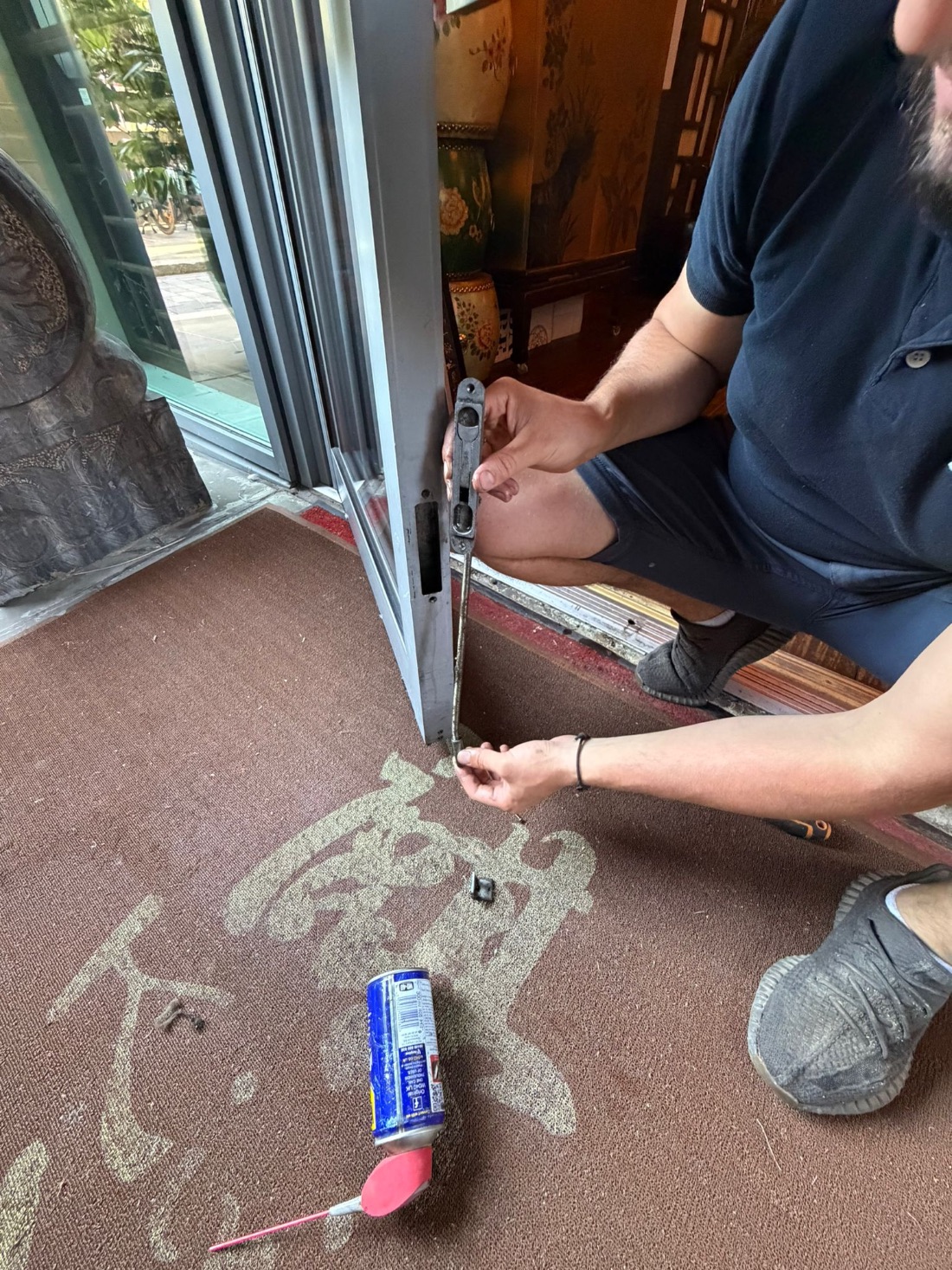
Door and frame repair and replacement, fire door adjustment and ironmongery, locks and access control, skirtings, kitchen units, windows and second fix joinery. Useful where a block has repeated forced-entry damage or door closers that keep failing and need a durable fix rather than another patch.
Painting, decorating and making good
Cyclical decoration of communal areas and external woodwork, plaster repair, patch and full redecoration, and making good after other trades so a repair does not leave a mark behind it. Cyclical programmes can be phased across a service charge year to spread cost.
Roofing, guttering and external fabric
Flat and pitched roof repair, tiling and slating, gutter and downpipe clearance, flashing, pointing, render and brickwork repair, and water ingress investigation. Most internal damp and leak complaints in older London blocks start on the outside, so external fabric is inspected on a cycle rather than only after a report.
Bricklaying and masonry
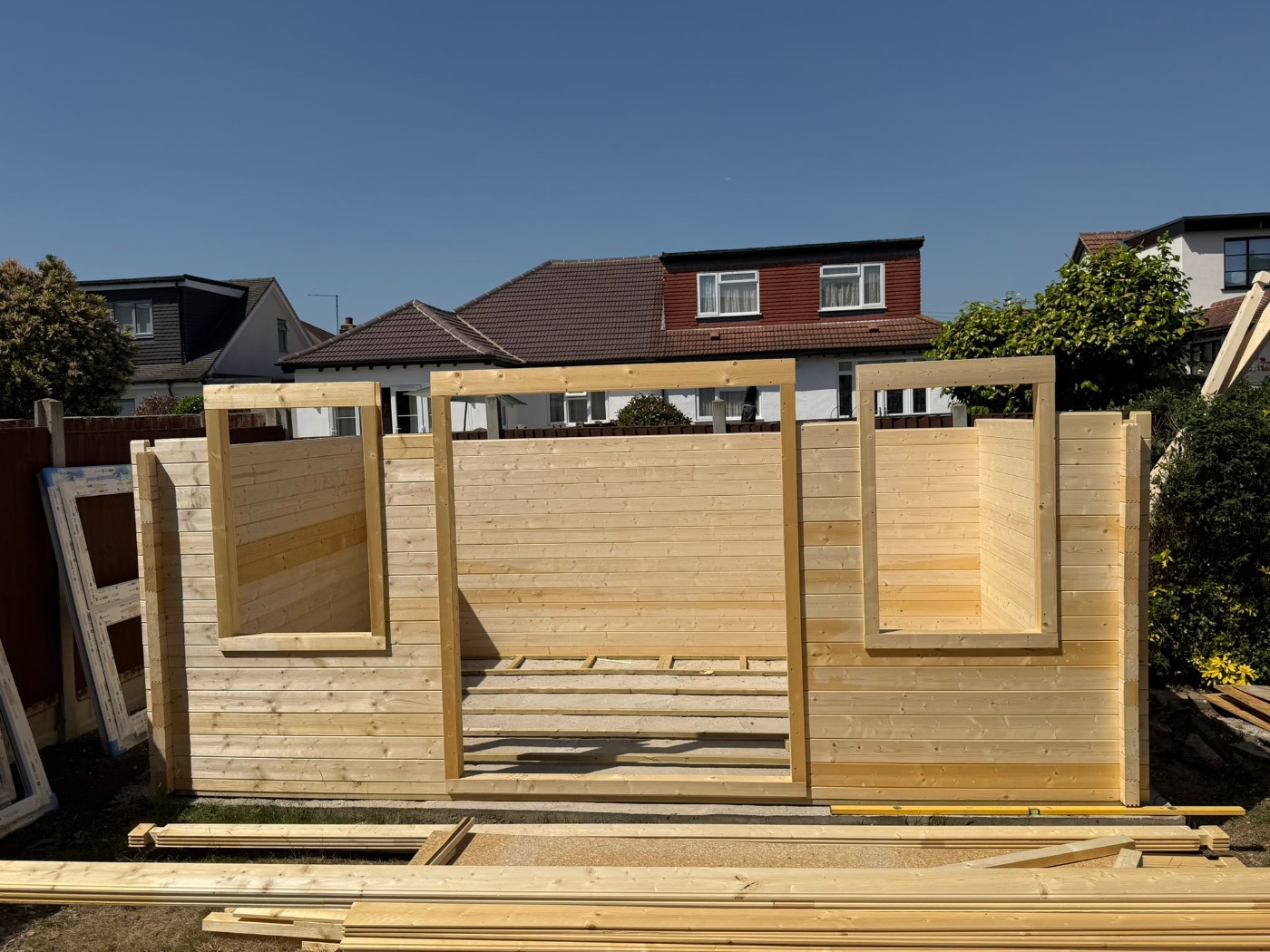
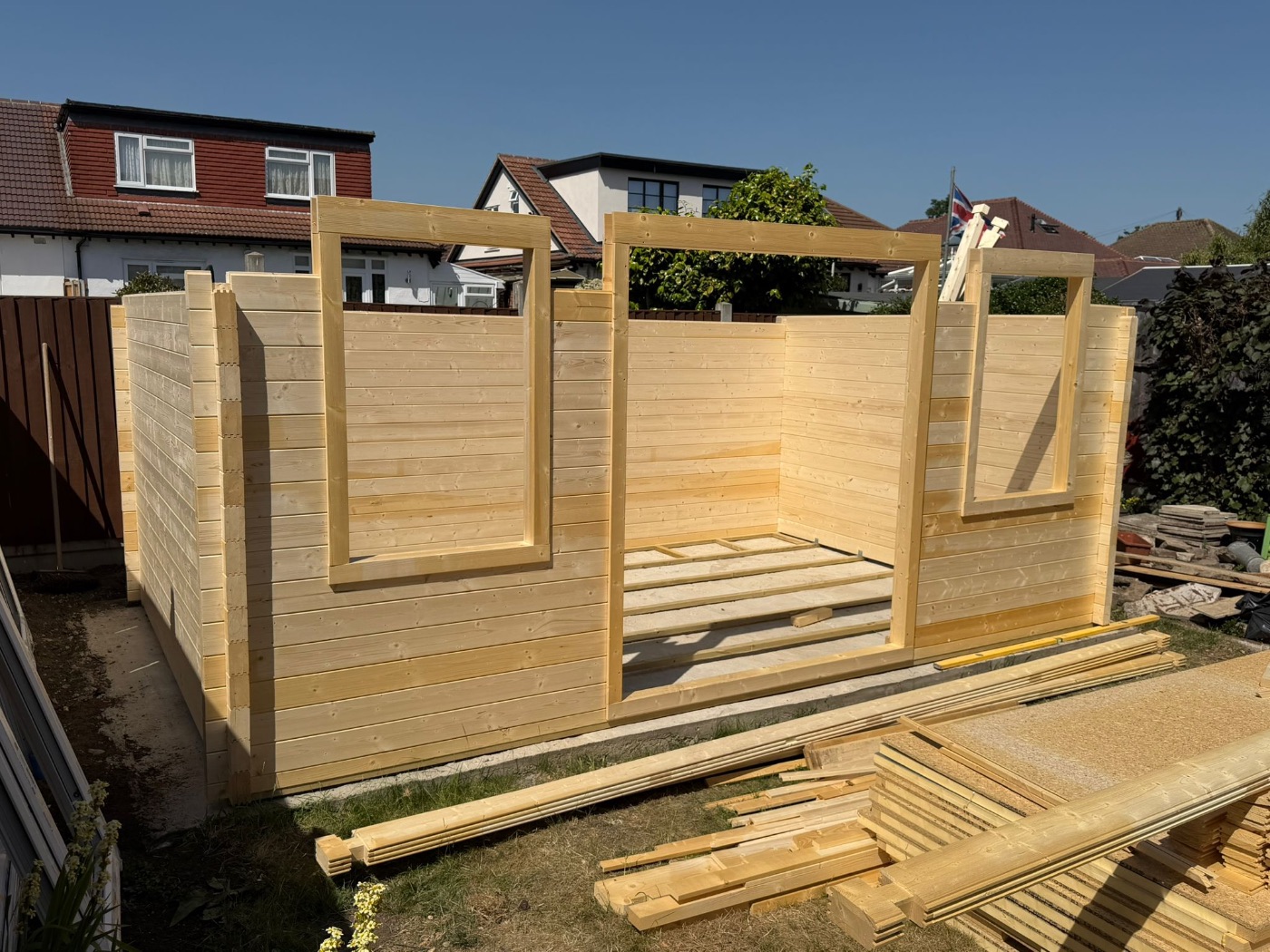
Brickwork repair and rebuilding, repointing, boundary and retaining walls, lintels, cracked and spalled masonry, and small construction works such as bin stores and plant enclosures. Our bricklayers match existing brick and mortar so a repair on a commercial frontage or older London building does not stand out from the rest of the elevation.
Voids and refurbishment
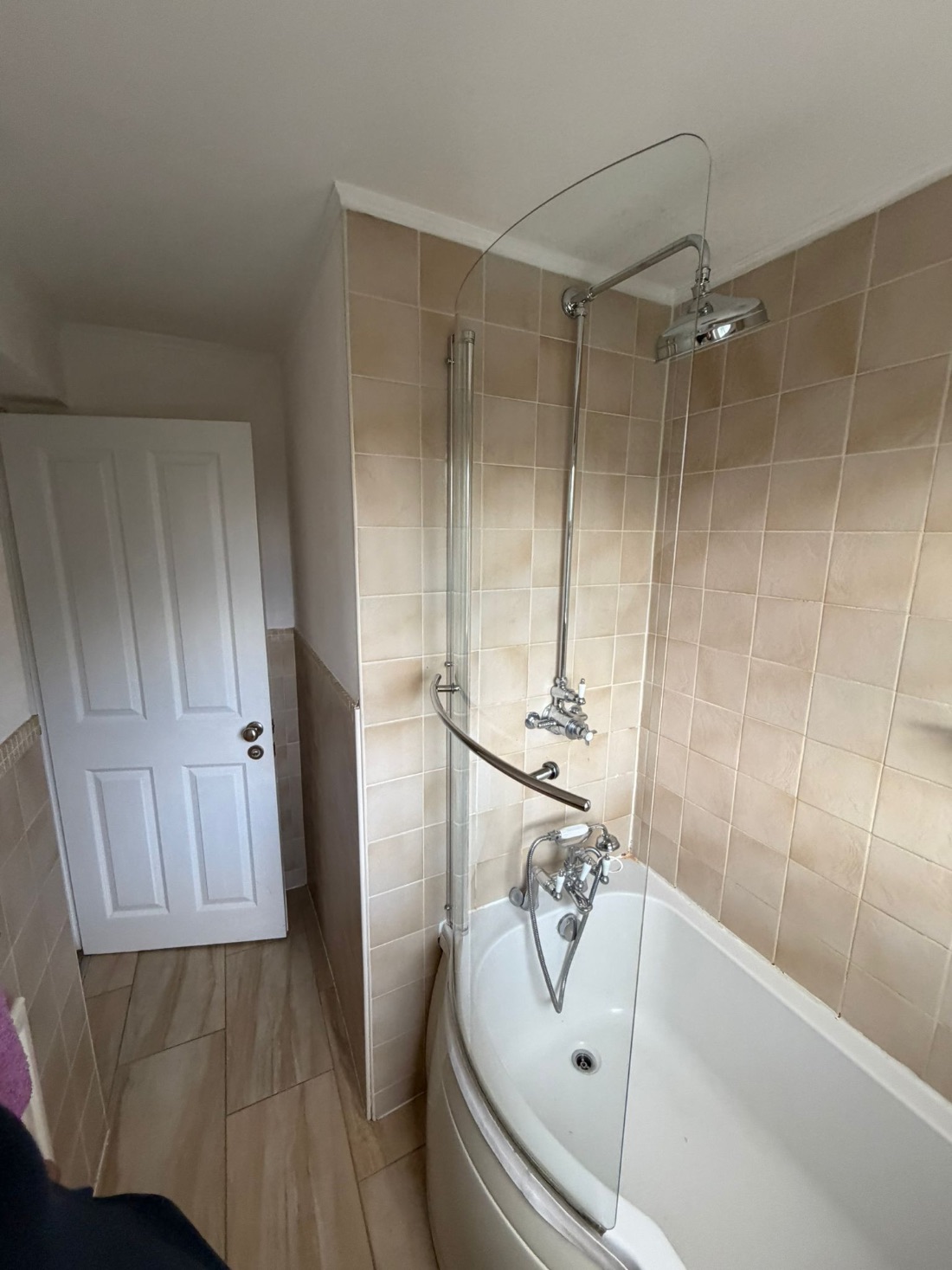
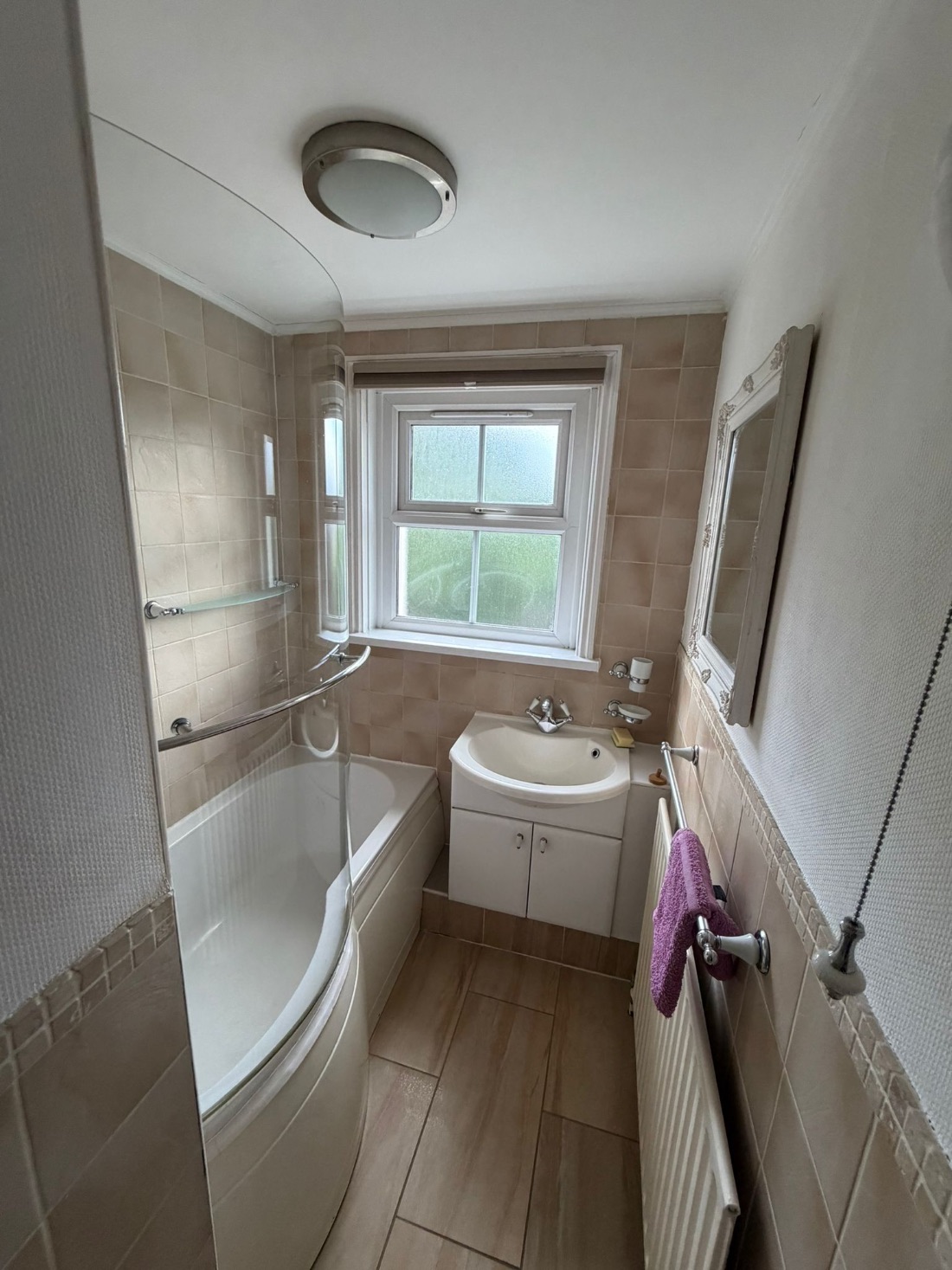
Turning empty units around to relet standard on a fixed scope: clearance, repairs, safety checks, decoration, flooring, kitchen and bathroom works, clean and handover. Void turnaround is measured in days lost, so scopes and target dates are agreed up front and reported against.
Compliance-related works
Remedial works arising from your inspections and risk assessments: fire door and compartmentation repairs, signage, emergency lighting, water hygiene remedials and access issues, with evidence returned in a format that closes the action out.